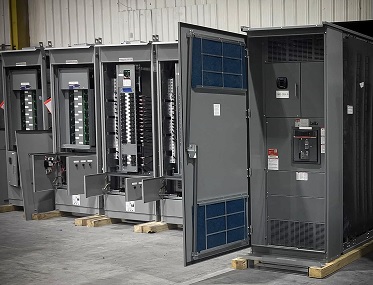
Low voltage switchboards are a crucial part of electrical distribution systems. They manage and distribute power safely across residential, commercial, and industrial installations. While their primary function is power distribution, safety is an equally important aspect. Electrical faults such as short circuits, overloads, and arc flashes can cause severe damage to equipment, infrastructure, and personnel.
Modern low voltage switchboards incorporate multiple safety features to mitigate risks and ensure reliable operation. Understanding these features helps facility managers, engineers, and electricians design safer electrical systems and reduce the risk of accidents.
This blog explores the common safety features in low voltage switchboards and explains why each feature is critical in maintaining safe and reliable electrical systems.
Understanding Low Voltage Switchboards
A low voltage switchboard is an electrical assembly designed to distribute power at voltages typically up to 1000 volts. It serves as the central point for power distribution, protection, and control within a facility.
Core Functions
- Distribute electrical power to various circuits
- Protect electrical systems from faults and overloads
- Enable control and isolation of equipment for maintenance
- Monitor system performance and power quality
Safety features in switchboards are designed to complement these functions, ensuring operational continuity while protecting personnel and equipment.
Importance of Safety in Low Voltage Switchboards
Electrical systems are prone to hazards such as:
- Overcurrent conditions
- Short circuits
- Earth faults
- Arc flashes
A single fault can lead to equipment damage, fire, or serious injury. Incorporating safety features in low voltage switchboards reduces these risks, ensures compliance with electrical standards, and enhances system reliability.
Benefits of Safety Features
- Protects personnel from electrical shock
- Prevents damage to equipment and infrastructure
- Reduces downtime caused by electrical faults
- Ensures compliance with national and international standards
Overcurrent Protection
Overcurrent protection is one of the most fundamental safety features in low voltage switchboards. Overcurrent occurs when the current flowing through a circuit exceeds its rated capacity, which can cause overheating, fire, or equipment damage.
Devices Used
- Circuit breakers
- Fuses
Key Advantages
- Automatically disconnects circuits during overloads
- Prevents equipment overheating and potential fires
- Protects wiring and other electrical components from damage
Overcurrent protection is typically coordinated to isolate only the affected section of the system, minimizing disruption to other circuits.
Short Circuit Protection
Short circuits occur when there is a low resistance path between live conductors or between live and neutral conductors. This can cause extremely high currents that may damage equipment or pose fire risks.
Devices Used
- Miniature circuit breakers
- Molded case circuit breakers
- Fuses
Benefits
- Quickly interrupts the circuit during a short circuit
- Prevents extensive equipment damage
- Reduces the risk of electrical fires
Proper selection and coordination of short circuit protection devices are essential for effective system protection.
Earth Fault Protection
Earth faults happen when current leaks to the ground, often due to insulation failure or damaged cables. They can lead to electric shock or equipment damage.
Features and Devices
- Residual current devices
- Earth leakage relays
- Ground fault monitoring systems
Advantages
- Detects even small leakage currents
- Automatically disconnects affected circuits
- Protects personnel from electric shock
Earth fault protection is particularly critical in industrial and commercial facilities where high power equipment is used.
Arc Fault Protection
An arc fault is a high power discharge caused by an unintentional arc in the electrical system. Arc flashes can produce intense heat, sparks, and pressure waves, posing serious risks to personnel and equipment.
Key Safety Measures
- Arc fault circuit breakers
- Arc flash detection sensors
- Compartmentalized switchboard design
Benefits
- Rapid detection and isolation of arc faults
- Reduces the severity of electrical fires
- Protects both personnel and equipment from arc flash injuries
Arc fault protection is increasingly becoming a mandatory feature in industrial low voltage switchboards.
Isolation and Lockable Panels
Isolation and lockable features prevent unauthorized access to live electrical components during maintenance or operation. They also allow safe disconnection of circuits.
Key Features
- Lockable doors or compartments
- Visible isolation indicators
- Key interlocking systems
Benefits
- Ensures safety during maintenance and repair work
- Prevents accidental contact with live components
- Reduces the risk of electrical accidents
Switchboards designed with proper isolation features comply with safety regulations and enhance operational safety.
Thermal Protection
Excessive heat in electrical systems can lead to equipment failure, insulation damage, and fire. Thermal protection mechanisms prevent overheating in switchboards.
Devices Used
- Thermal overload relays
- Temperature sensors
- Ventilation and cooling systems
Advantages
- Monitors temperature within switchboards
- Trips circuits before equipment is damaged
- Supports long term reliability of electrical systems
Thermal protection is especially critical in facilities with high current loads or continuous operations.
Protective Relays
Protective relays monitor electrical parameters such as current, voltage, and frequency. They detect abnormal conditions and trigger protective devices like circuit breakers.
Common Functions
- Overcurrent relay
- Earth fault relay
- Differential relay
Benefits
- Rapid detection of abnormal conditions
- Prevents cascading failures in the system
- Enhances reliability of the electrical network
Protective relays are vital for large industrial and utility applications, where rapid fault isolation is essential.
Surge Protection
Electrical surges caused by lightning strikes, switching operations, or utility faults can damage sensitive equipment. Surge protection devices safeguard the switchboard and connected systems.
Devices Used
- Surge protective devices
- Metal oxide varistors
Advantages
- Protects equipment from voltage spikes
- Reduces risk of system downtime
- Extends the lifespan of electrical components
Surge protection is particularly important in outdoor installations and areas prone to lightning strikes.
Monitoring and Alarm Systems
Modern low voltage switchboards often include monitoring systems that track electrical parameters in real time. Alarm systems notify operators of potential hazards before they escalate.
Features
- Voltage and current monitoring
- Temperature and humidity sensors
- Fault alarms and notifications
Benefits
- Early detection of faults
- Allows preventive maintenance
- Improves overall safety and operational efficiency
Integrating digital monitoring with safety features provides a proactive approach to electrical safety.
Enclosure and Mechanical Protection
Switchboard enclosures are designed to protect both personnel and equipment from electrical hazards. They also provide resistance to environmental conditions.
Key Features
- Robust metal enclosures
- Dust and moisture protection
- Lockable doors and panels
- Compartmentalized sections to prevent arc spread
Benefits
- Reduces risk of accidental contact with live components
- Enhances durability in harsh environments
- Limits damage during electrical faults
Compliance with IP and NEMA ratings ensures appropriate protection levels for different applications.
Compliance with Standards
Safety features in low voltage switchboards are designed to comply with national and international electrical standards. These standards provide guidelines for design, installation, and operation.
Common Standards
- IEC 61439 for low voltage switchgear
- IS 8623 for electrical switchboards
- NFPA 70 National Electrical Code
Benefits of Compliance
- Ensures safety and reliability
- Protects personnel and assets
- Facilitates insurance and regulatory approvals
Adhering to standards is essential for infrastructure, industrial, and commercial projects.
Conclusion
Safety is a critical aspect of low voltage switchboard design. Overcurrent protection, short circuit protection, earth fault protection, arc fault protection, isolation features, thermal protection, protective relays, surge protection, monitoring systems, and robust enclosures all work together to reduce risks and ensure operational reliability.
Understanding these safety features helps engineers, electricians, and facility managers design, operate, and maintain safer electrical systems. As technology advances, modern low voltage switchboards continue to integrate smart monitoring, predictive maintenance, and enhanced protection features, making them more reliable and safer than ever.
Investing in high quality low voltage switchboards with comprehensive safety features not only protects personnel and equipment but also ensures uninterrupted operations, compliance with standards, and long term project success.